


DOP 2: Delete One Part
4.69.04K Reviews
App Specs
- Version
- 1.3.39
- Updated On
- License
- Free
- Downloads
- 100,000,000+
- Developer
- SayGames Ltd
- Categories
- Puzzle
- Platform
- Android, iOS
Screenshots
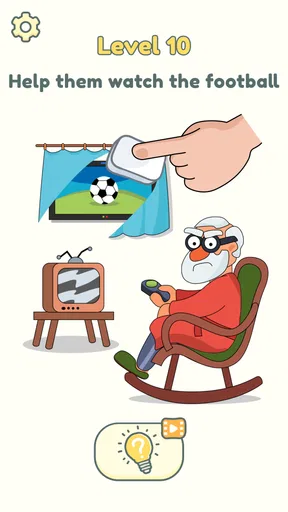
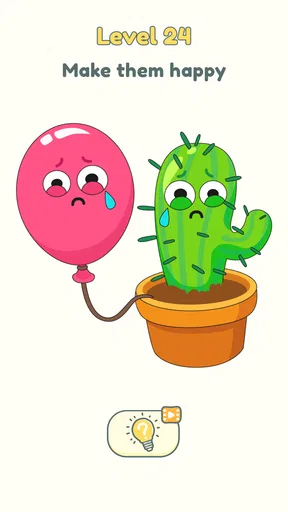
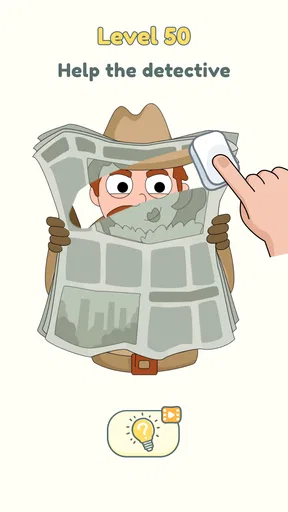
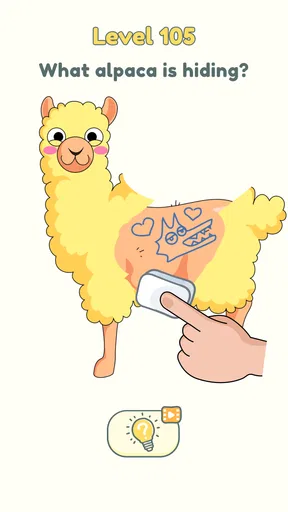
 Analysis by AppCompare
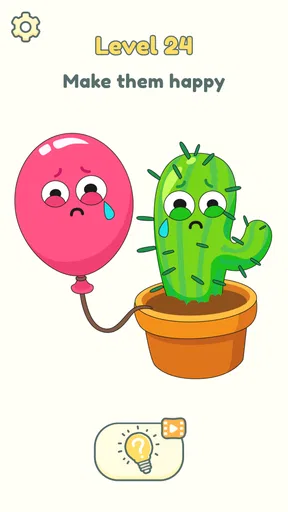
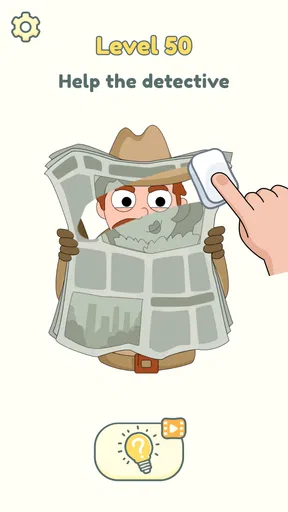
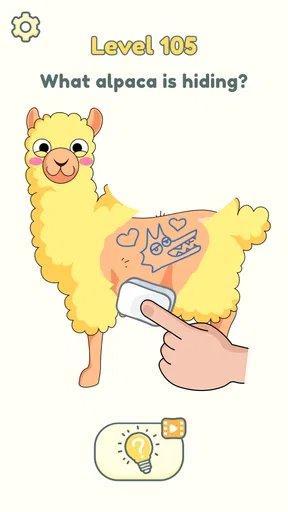
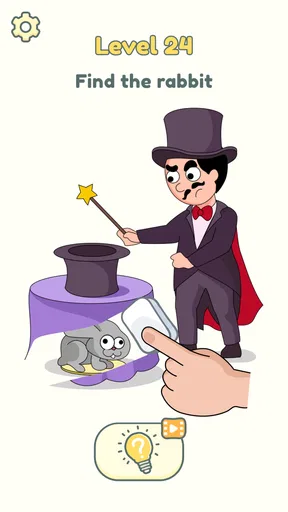
I like puzzle games that give me a clear little problem to solve without asking me to learn a long list of rules, and DOP 2 fits that mood. Each level presents an illustrated scene with something to figure out; I use an eraser to remove part of the picture and reveal what is going on. That simple interaction is the whole appeal, but the answer is not always the first detail I notice. DOP 2: Delete One Part is a casual puzzle game from SayGames Ltd, and it works best when I treat each scene as a visual riddle rather than a test of quick reflexes.
Its early goals are easy to understand: look closely, decide what seems out of place or concealed, then erase a portion of the drawing. There is no complicated setup between me and the puzzle, so it is easy to start during a short break. The game is free to download, with in-app purchases listed at $1.99 per item, and its Teen content rating is worth keeping in mind for families choosing games for younger players.
How the Puzzles Build Their Rhythm
The basic interaction gives every level a satisfying first step, but the scenes rely on misdirection as well as observation. I may have a plausible answer in mind and still need to reconsider which part of the image matters. That small pause is central to the fun: instead of tapping rapidly, I scan the picture, form a guess, and see whether removing the right area makes the scene click.
Small Goals, Clear Feedback
The game’s progress is easiest to read one solved scene at a time. A successful erase provides an immediate sense that I understood the visual clue, while a mistaken guess encourages another look at the same drawing. That makes the goals feel approachable without turning every level into a long commitment. I can stop after a puzzle and still feel that I reached a natural endpoint.
That structure also makes DOP 2 useful when I have only a few spare minutes, such as while waiting for a drink or taking a pause between errands. I do not need to remember a complicated plot or plan a long session; I can focus on the scene in front of me. The trade-off is that anyone looking for a story-driven puzzle adventure or a substantial campaign may find this bite-sized format too slight.
Pictures That Reward a Second Look
The cartoon artwork keeps the puzzles approachable, and the bright scenes make it easier to notice the objects and details that may matter. The animations and sound effects give solved moments a playful finish. I also enjoy that some of the humor comes from seeing how the scene changes after I erase the right part, rather than from a separate explanation.
A useful habit is to inspect the whole picture before touching it. I look for an expression, object, or relationship that seems inconsistent, then ask what could be hidden behind or altered by erasing part of the drawing. This is more productive than rubbing across several areas at random: it turns the gesture into a considered guess and helps me understand the visual joke when the answer appears.
Worth Reading Before You Choose

Switching to Android Auto Means Rethinking Your Driving Routine

Google Calendar Makes a Crowded Week Easier to Manage

Baby Panda World Brings Quick Play to Modern Phones, but Its Game Library Feels Busy

ESPN’s Live Game View Makes Following Close Games Easier

QuizzLand Review: A Good Fit for Short Trivia Breaks, Not Every Player

Basketball Stars: Multiplayer Is Fast, but Can It Recover When Matches Go Wrong?
When the Difficulty Starts to Matter
The puzzles become trickier as I progress, and that gradual rise gives the game a reason to keep my attention beyond the first few scenes. The challenge comes from interpreting the image, not from mastering complicated controls. When I get stuck, I try changing my assumption about what the scene is showing rather than repeating the same erase in a different spot.
That approach will not suit every puzzle fan. If you prefer logic problems with explicit clues, consistent rules, and a single chain of deductions, the answers here can feel more playful and less formal. DOP 2 is better for someone who enjoys visual surprises and accepts that a joke or unexpected reveal may matter as much as strict logic.
How It Compares With Other Casual Puzzles
Compared with match-style puzzles, where the main task is usually to plan moves across a board, this game asks me to interpret a single illustration and make one deliberate edit. Compared with traditional riddles, it gives me something tactile to try instead of relying only on written clues. That makes it a comfortable middle ground for players who want a little thought without a lengthy rules tutorial.
The same simplicity is also its limit. A player seeking deep strategy, a growing set of mechanics, or a substantial world to explore may be better served by a more involved puzzle game. Here, the pleasure is in the brief cycle of looking, testing an idea, and seeing the image’s punchline. It is a focused format, not a substitute for a longer game when I want sustained progression.
Who Will Get the Most From It
I would recommend it to casual players who like visual riddles, light humor, and levels that can be approached independently. It can also work well as a shared screen activity: one person can suggest what to erase while another studies the illustration, so the puzzle becomes a quick conversation rather than a solitary challenge. For younger players, I would check whether the Teen rating fits the household’s preferences before handing over the device.
It is less suitable for someone who dislikes trial and error, expects every answer to follow a rigid logic system, or wants a game that rewards long sessions with elaborate systems. If I am tired and only want an effortless distraction, a straightforward arcade game may be a better fit. If I want an absorbing challenge that asks me to think carefully but not for very long, this is closer to what I need.
Playing in Short Sessions Without Rushing
A realistic way to use the game is to open it during a commute break or while waiting for an appointment, solve a few scenes, and put it away when the pause ends. Because each puzzle is self-contained, I do not have to plan around a long session. I get more from those short visits when I slow down enough to inspect the characters and background instead of treating the eraser like a scratch card.
There is a small trade-off between momentum and attention. Moving quickly can make the game feel breezy, but it can also make a clever reveal seem arbitrary if I have not considered the picture first. Taking a moment to describe the scene to myself—what is happening, what seems odd, and what might be hidden—often gives me a better starting point. It is a simple tactic, but it makes the puzzles feel more earned.
What Progress Feels Like Over Time
The game’s progression is built around encountering more visual problems and meeting a tougher curve, rather than asking me to master a complicated control scheme. Its average rating is 4.6 from 759K ratings, and it has passed 100M installs, which reflects how accessible this kind of quick puzzle loop can be to a broad audience. Those figures do not change the personal fit: the key question is whether I enjoy interpreting cartoon scenes and accepting occasional misdirection.
For a practical device check, the current version is 1.3.39 and the listed minimum operating system is Android 8.0. I would check that requirement before trying to install it on an older Android device. The game is also available on iOS. Its price and purchase structure make it easy to try without an upfront purchase, but the listed in-app items are something to bear in mind if you prefer games with no optional spending at all.
When the Game’s Pace Stops Working
Short levels are a strength when I want a quick diversion, but they can make the experience feel repetitive if I play for a long stretch. The core action remains focused on examining a drawing and erasing part of it, so players who need frequent changes in mechanics may lose interest. I also would not choose it as my main game for a long evening if I wanted a complex progression system or a demanding test of skill.
There is a useful way to set expectations: think of each level as a compact visual joke with a puzzle attached, not as a difficult brainteaser that must have a perfectly formal solution. With that mindset, an unexpected answer is part of the charm. If I find myself frustrated, stepping away and returning with fresh eyes is more sensible than repeatedly trying random areas; the scene often reads differently once I stop fixating on my first guess.
A Good Fit for the Right Kind of Break
Among casual puzzle games, DOP 2 earns its place through a distinctive erase-to-reveal interaction and a light, cartoon presentation. It is free, developed by SayGames Ltd, and its Teen rating is important to consider when choosing it for someone else. I would suggest it to a friend who wants short visual challenges with a humorous edge, while being upfront that its simplicity may not hold the attention of someone who wants depth, narrative, or a steady stream of new mechanics.
For me, the best reason to keep playing is the moment a scene’s odd detail finally makes sense. The game offers a low-pressure way to exercise observation, and its rising difficulty gives that small payoff room to develop. If you enjoy trying a visual idea, seeing whether it works, and moving on without a lengthy commitment, it is an easy one to sample. If that loop sounds too repetitive, a more varied puzzle game is likely a better use of your time.
So, the basic premise of DOP 2: Delete One Part is simple – you’re presented with a scenario that has something wrong or hidden, and your job is to erase part of the picture to reveal the solution. It’s like a magic trick where your eraser is the wand. Each level brings its own unique challenge, keeping things fresh and engaging.
Now, I know what you’re thinking: “How hard can erasing be?” But don’t be fooled! The game cleverly uses misdirection and humor to keep you on your toes. Sometimes you’ll erase what you think is the obvious solution, only to find there’s another layer to the puzzle. It’s like peeling an onion, but way more fun and with fewer tears.
The Visual Appeal
Visually, the game is a treat. The graphics are cartoonish and vibrant, perfectly suited for the light-hearted gameplay. Each puzzle is a mini art piece, carefully designed to both challenge and amuse you. The animations are smooth, and the sound effects add a nice touch of whimsy.
And let’s talk about the little details. The developers have done a fantastic job of adding subtle hints and funny animations that you discover as you play. It's these little surprises that make each level feel rewarding and keep you coming back for more.
Why You’ll Keep Playing
One of the things I love about DOP 2: Delete One Part is its accessibility. You can pick it up and play for a few minutes or get lost in it for hours. It’s perfect for a quick distraction during a coffee break or a longer session when you’ve got time to kill.
The game doesn’t require a massive time investment or a steep learning curve, which is a huge plus in my book. Plus, the levels are short and sweet, making it easy to squeeze in a quick game whenever you have some downtime.
Challenges and Surprises
As you progress, the puzzles do get trickier, and that’s where the real fun begins. You’ll find yourself pausing and thinking, “Hmm, what am I missing here?” before the "Aha!" moment hits. The satisfaction of figuring it out is immensely gratifying.
And let’s not forget the humor. Some of the solutions are downright hilarious. The game doesn’t take itself too seriously, and neither should you. Just enjoy the ride and have a laugh along the way.
Final Thoughts
In a world filled with complex and demanding games, DOP 2: Delete One Part is a refreshing change of pace. It’s straightforward, fun, and a little bit cheeky – everything you need for a casual gaming experience. Whether you’re looking to unwind or just pass the time, this game has got you covered.
Give it a try, and you might find yourself pleasantly surprised by how much you enjoy erasing your way to victory. Who knew deleting could be so delightfully addictive?
Pros
- Engaging puzzle mechanics keep you hooked.
- Simple controls make gameplay accessible.
- Frequent updates offer new challenges.
- Visually appealing cartoon-style graphics.
- Quick levels perfect for short play sessions.
Cons
- Ads can interrupt gameplay frequently.
- Some puzzles may feel repetitive.
- No offline mode available for play.
- In-app purchases can be pricey.
- Limited hints can frustrate beginners.
FAQs for DOP 2: Delete One Part
What is DOP 2: Delete One Part about?
DOP 2: Delete One Part is a puzzle game where players solve riddles by erasing parts of the drawing. Each level presents a unique scenario requiring you to think creatively to uncover hidden elements or solve a mystery. It's a blend of imagination and logic, offering an engaging experience for puzzle enthusiasts.
Is DOP 2: Delete One Part free to play?
Yes, DOP 2: Delete One Part is free to download and play. However, it contains in-app purchases and advertisements. Players can opt to buy hints or remove ads, but these purchases are optional. The game offers ample opportunities to progress without spending money, making it accessible for all players.
What platforms is DOP 2: Delete One Part available on?
DOP 2: Delete One Part is available on both Android and iOS platforms. You can download it from the Google Play Store for Android devices and the Apple App Store for iOS devices. It is compatible with most smartphones and tablets, ensuring a broad audience can enjoy the game.
Does DOP 2: Delete One Part require an internet connection?
While DOP 2: Delete One Part can be played offline, certain features like hint purchases and ad removal require an internet connection. Playing online also ensures you have the latest updates and features. Offline play is perfect for those on the go or without consistent internet access.
Are there any age restrictions for playing DOP 2: Delete One Part?
DOP 2: Delete One Part is suitable for players aged 12 and above. The game is designed to be family-friendly, but some puzzles may require mature thinking or contain elements that are challenging for younger children. Parental guidance is recommended for younger audiences.


